

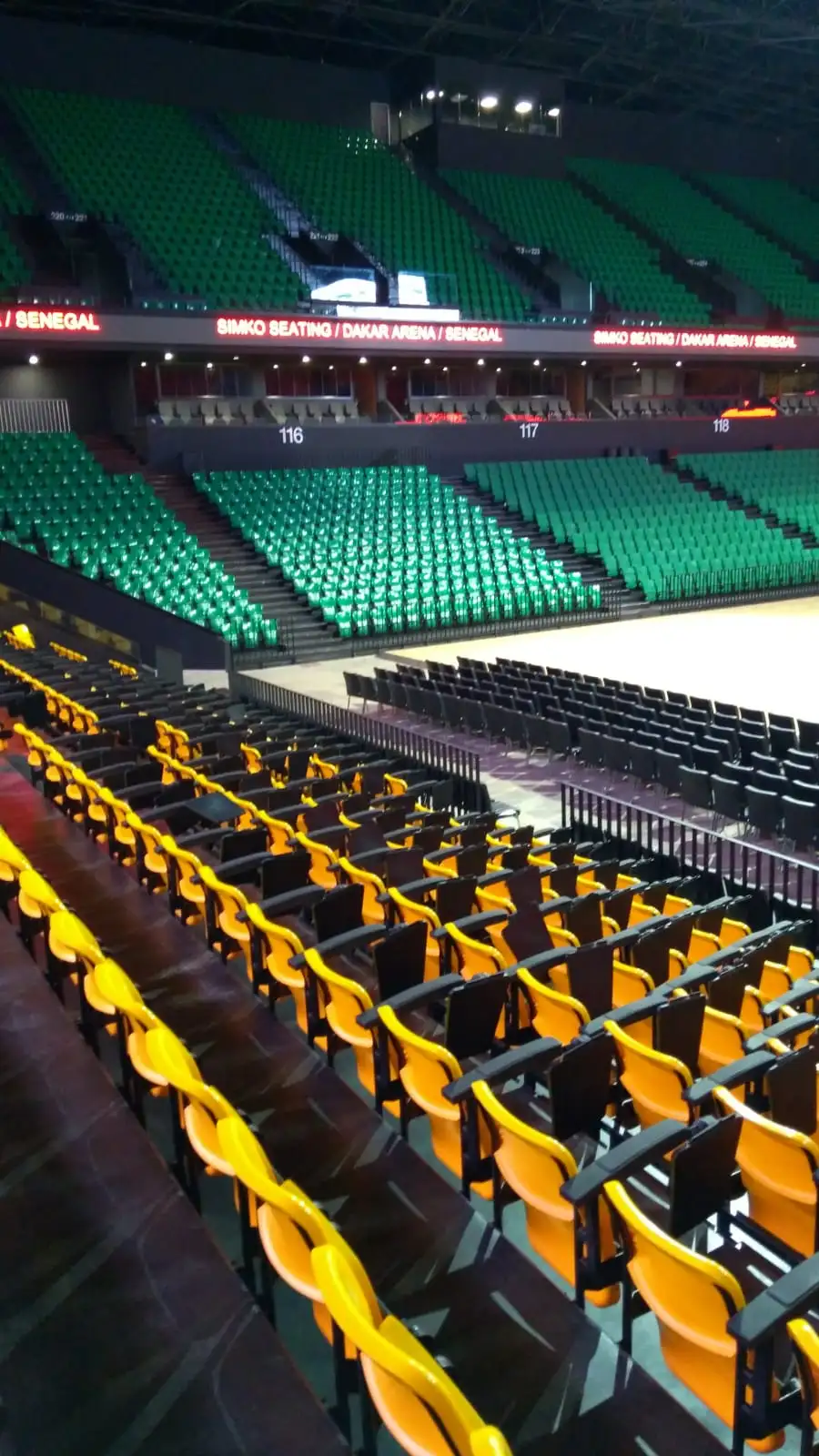
Stadium Seating
How to Choose the Best Stadium Seats for Large-Scale Projects
Introduction
Selecting the right stadium seating is no longer a simple procurement decision. Across Europe and the Middle East, stadiums are evolving into multifunctional venues where comfort, safety, and visual identity play a critical role. Investors, architects, and operators are increasingly aware that seating systems directly influence both user experience and long-term operational costs.
For this reason, choosing the right stadium seats requires a strategic approach that balances durability, compliance, comfort, and cost efficiency.
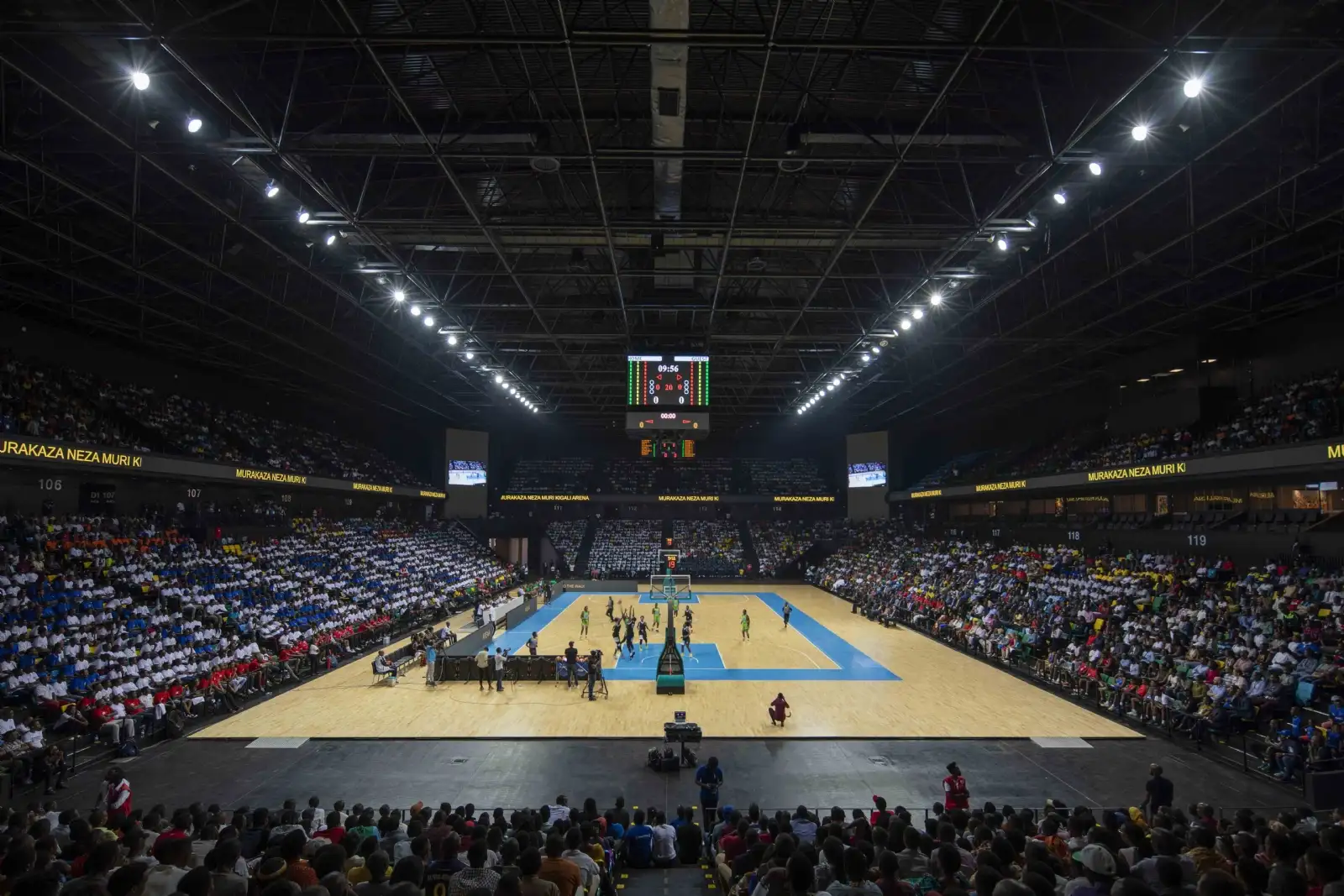
Understanding the Purpose of Stadium Seating
Before selecting a seating model, it is essential to define the purpose of the venue. A football stadium with 40,000 capacity has very different requirements compared to a smaller indoor arena or a multi-purpose sports hall.
High-capacity stadiums often prioritize durability and cost optimization, while premium venues place greater emphasis on comfort and aesthetics. This is why modern stadium projects rarely rely on a single seating type. Instead, they combine multiple solutions such as monoblock, foldable, and VIP seating to create a balanced structure.
Types of Stadium Seats Available on the Market
Monoblock Stadium Seats
Monoblock seats are one of the most widely used solutions worldwide. Their simple design, high resistance, and cost-effectiveness make them ideal for large-scale projects.
They are particularly suitable for:
- Outdoor stadiums
- High-capacity football arenas
- Budget-sensitive projects
These seats are typically produced using UV-stabilized polypropylene, ensuring long-term color stability and resistance to environmental conditions.
Foldable Stadium Seats
Foldable seating systems offer a more organized and comfortable solution. The automatic tip-up mechanism ensures that walkways remain clear, improving safety and movement within the venue.
They are commonly used in:
- Modern stadium designs
- Indoor arenas
- Premium general seating areas
VIP and Upholstered Seating
VIP seating solutions focus on delivering a higher level of comfort and exclusivity. These seats are often upholstered with fabric, artificial leather, or real leather, depending on the project requirements.
They are typically installed in:
- Corporate boxes
- Hospitality lounges
- Premium viewing areas
In many Middle Eastern projects, VIP seating has become a standard requirement rather than an optional upgrade.
Telescopic and Retractable Seating
For multi-purpose venues, telescopic seating systems provide flexibility. These systems allow stadiums to adapt their layout depending on the event, whether it is a sports match, concert, or conference.
This flexibility increases the overall usability of the venue and maximizes revenue potential.
Key Technical Factors in Stadium Seat Selection
UV Resistance and Weather Durability
Outdoor stadium seating must withstand harsh environmental conditions. In regions with intense sunlight, UV resistance is one of the most critical features.
Seats that are not properly treated may fade, crack, or lose structural integrity over time. This is why certified UV testing is essential for long-term performance.
Fire Safety and Certifications
Compliance with international standards is a key requirement, especially in European projects. Seating systems must meet fire resistance, structural durability, and safety regulations.
These certifications not only ensure user safety but also simplify approval processes in large-scale tenders.
Ergonomic Design
Comfort plays a major role in spectator satisfaction. A well-designed seat with proper back support and optimized dimensions enhances the viewing experience, especially during long events.
Even in high-capacity stadiums, ergonomic considerations are becoming increasingly important.
Installation Compatibility
Each project has unique structural conditions. Step height, row spacing, and mounting type must be carefully analyzed before selecting a seating model.
Incorrect planning can lead to installation issues and additional costs. This is why detailed drawings and technical evaluations are essential in the early stages of a project.
Cost Optimization Without Compromising Quality
Many buyers search for affordable stadium seats or cheap stadium seating solutions, but focusing solely on price can lead to long-term issues.
Low-quality seating may result in:
- Frequent maintenance requirements
- Reduced lifespan
- Negative user experience
Instead, the goal should be to optimize cost by selecting the right materials, production methods, and configurations.
For example, using non-upholstered intermediate seats in certain layouts can reduce costs without affecting overall performance.
Stadium Seating Trends in Europe and the Middle East
Increasing Demand for Premium Seating
In the Middle East, large investments in sports infrastructure have led to a growing demand for VIP and hospitality seating. Comfort and exclusivity are becoming key selling points for stadium operators.
Sustainability and Material Innovation
European markets are placing greater emphasis on sustainability. Recyclable materials, eco-friendly production methods, and long-lasting products are becoming standard expectations.
Multi-Purpose Venue Design
Modern stadiums are no longer limited to sports events. Concerts, exhibitions, and conferences are now part of the business model. This increases the importance of flexible seating systems such as telescopic tribunes.
Planning and Project Execution
Successful stadium seating projects require more than just product selection. They involve detailed planning, coordination, and technical evaluation.
Key steps include:
- Reviewing architectural drawings
- Determining seating capacity and layout
- Selecting appropriate mounting systems
- Planning logistics and delivery
Working with experienced manufacturers ensures that these processes are handled efficiently and professionally.
Stadium seating is a critical component of any modern venue. It affects not only comfort and safety but also the overall perception and functionality of the stadium.
By carefully evaluating seating types, technical specifications, and project requirements, it is possible to create a solution that meets both budget expectations and long-term performance goals.
For those exploring options on offerstadiumseat.com, focusing on quality, compliance, and adaptability will always lead to better investment outcomes.
Created By : Monseat